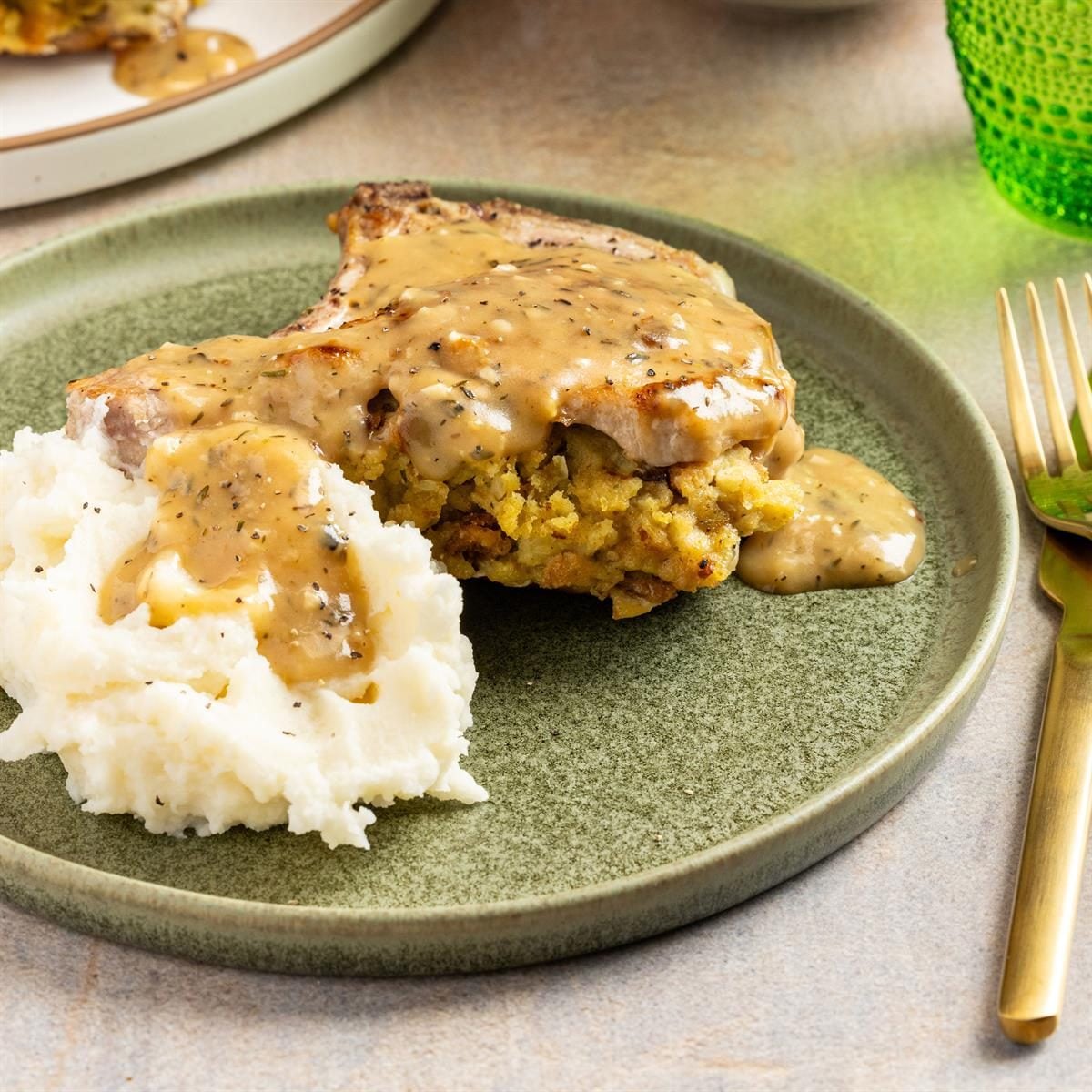
Mastering Stuffed Pork Chops: Expert Tips for Ingredients & Prep
When dinner perfection calls, few dishes answer with the same hearty satisfaction and elegant appeal as juicy, flavorful
stuffed pork chops. This culinary classic isn't just a meal; it's an experience, transforming a simple cut of meat into a show-stopping centerpiece. Whether you're aiming to impress guests or simply elevate a weeknight family dinner, understanding the nuances of preparing moist and delicious
stuffed pork chops is key. From selecting the ideal cut to crafting the perfect stuffing and employing smart cooking techniques, this guide will equip you with all the knowledge needed to create a dish that's both comforting and gourmet. For an even deeper dive into achieving that perfect moisture and flavor, explore
The Ultimate Guide to Moist & Flavorful Stuffed Pork Chops.
The Foundation: Selecting Your Pork Chops & Stuffing Essentials
The secret to truly outstanding
stuffed pork chops begins long before you turn on the stove. It starts with the quality of your ingredients and a clear vision for your flavor profile.
Choosing the Perfect Pork Chop Cut
The right cut of pork chop is paramount to ensuring your dish remains tender and juicy, even after stuffing and cooking. Avoid thin cuts, as they tend to dry out quickly and don't offer enough space for a substantial filling.
*
Bone-In Pork Chops: Often considered the connoisseur's choice, bone-in chops impart superior flavor and help retain moisture during cooking. The bone acts as a natural insulator, leading to a more evenly cooked and succulent result. Look for chops that are at least 1 to 1.5 inches thick.
*
Center-Cut Pork Chops: These are typically boneless, thicker, and leaner, making them an excellent candidate for stuffing. Their uniform shape is ideal for creating a deep, consistent pocket. Again, aim for a thickness of 1 to 1.5 inches to prevent overcooking and accommodate ample stuffing.
*
Preparation Tip: Regardless of the cut, always trim any excessive silver skin or tough fat around the edges, but be sure to leave a thin layer of fat. This remaining fat will render during cooking, adding flavor and contributing to the chop's moistness.
Crafting Your Signature Stuffing
The stuffing is where your culinary creativity truly shines. It provides the textural contrast, aromatic complexity, and additional moisture that elevates the entire dish.
*
The Flavorful Base: Bread crumbs are the cornerstone of most stuffings. While pre-packaged crumbs work, consider using fresh bread crumbs (from slightly stale bread) or even lightly toasted artisanal bread for a superior texture and richer flavor. They absorb the liquids and flavors beautifully.
*
Aromatic Building Blocks: Onions, garlic, and celery are the holy trinity of stuffing aromatics. Sautéing them gently in olive oil or butter until translucent brings out their sweetness and depth, forming a fragrant foundation for your stuffing.
*
Herbs and Spices: These are the soul of your stuffing. Classic pairings for pork include
thyme, sage, and rosemary, which offer earthy and herbaceous notes. Don't be afraid to experiment with other spices like a pinch of smoked paprika for warmth, a dash of cayenne for subtle heat, or even a touch of nutmeg for a unique twist.
*
The Moisture Component: A liquid ingredient is crucial for a moist, cohesive stuffing.
Chicken broth is a go-to, but
apple juice or cider can introduce a delightful sweetness that complements pork wonderfully. For an adult twist, a splash of white wine can add sophistication. The goal is a moist mixture that holds together, not a soggy one.
*
Exciting Add-ins: This is where you can truly personalize your dish. Consider:
*
Nuts: Toasted pecans, walnuts, or pine nuts for crunch and richness.
*
Dried Fruits: Cranberries, apricots, or chopped apples for a touch of sweet-tartness.
*
Cheese: Shredded Gruyère, Parmesan, or sharp white cheddar for creamy texture and savory depth. The reference mentioned a creamy, cheesy spinach filling, which highlights how versatile cheese can be.
*
Vegetables: Sautéed mushrooms, finely diced bell peppers, or a handful of fresh spinach can add extra nutrients and flavor dimension.
Mastering the Art of Prepping & Stuffing
With your ingredients ready, the next step is to skillfully prepare the pork chops and create a perfectly balanced stuffing. Precision here ensures a beautiful presentation and even cooking.
Preparing the Pork Chops for Stuffing
Even the best ingredients require careful preparation.
1.
Examine and Trim: Start by patting your pork chops dry with paper towels. Inspect them for any silver skin or excessive fat, trimming as needed while leaving some fat for flavor.
2.
Creating the Pocket: This is the most crucial step for stuffing.
* Place the pork chop flat on a stable cutting board.
* Using a sharp paring knife or a thin-bladed chef's knife, carefully insert the knife into the side of the chop, parallel to the cutting board, making an incision about two-thirds of the way through.
* Gently move the knife back and forth to widen the pocket, ensuring you leave at least a 1/2-inch border around the edges. This border is essential to prevent the stuffing from spilling out during cooking. Think of it like creating a deep pocket, not slicing it completely open.
*
Safety Tip: Always cut away from your body and keep your free hand clear of the blade's path.
3.
Seasoning the Chops: Before stuffing, generously season both the inside of the pocket and the exterior of the pork chops with salt, freshly ground black pepper, and any desired herbs or a dry rub. This step is vital for building flavor from the inside out and ensures every bite of the meat is delicious, not just the stuffing.
Assembling Your Flavorful Stuffing
Now, bring your stuffing ingredients to life.
1.
Sauté Aromatics: In a skillet, sauté your chopped onions, celery, and garlic in a bit of olive oil or butter over medium heat until they are soft and translucent. This step enhances their natural flavors significantly.
2.
Combine Ingredients: In a large mixing bowl, combine the sautéed vegetables with your bread crumbs, herbs, spices, and any additional add-ins like nuts, dried fruit, or cheese.
3.
Moisten the Mixture: Gradually stir in enough chicken broth, apple juice, or other liquid until the mixture is moist and holds together when gently pressed, but is not soggy. It should resemble a cohesive ball rather than a wet paste. Taste and adjust seasonings if necessary.
4.
Stuffing the Chops: Using a spoon, a small cookie scoop, or even your hands, carefully fill each pork chop pocket with the stuffing mixture.
Do not overstuff. The chops will shrink slightly during cooking, and the stuffing may expand, so leaving a little room prevents blowouts. Lightly pressing the stuffing into the pocket is usually sufficient.
Cooking Techniques for Unbelievably Moist Results
The cooking method is key to transforming your prepped ingredients into tender, juicy
stuffed pork chops. The oven-baked method is particularly forgiving and reliable.
The Oven-Baked Method: A Reliable Favorite
Baking
stuffed pork chops in the oven is one of the most popular and foolproof methods, consistently delivering tender meat and a perfectly heated filling. It's often praised for being a mess-free approach, making cleanup a breeze. For a specific recipe focused on this technique, check out
Oven-Baked Stuffed Pork Chops: Tender, Juicy & Easy Dinner.
1.
Preheat and Sear: Preheat your oven to 375°F (190°C). While the oven preheats, heat a tablespoon of olive oil or butter in an oven-safe skillet over medium-high heat on the stovetop. Once hot, carefully sear the stuffed pork chops for 2-3 minutes per side until beautifully golden brown. This crucial step creates a flavorful crust and locks in juices.
2.
Bake to Perfection: Transfer the skillet (or place the chops in a baking dish) to the preheated oven. Bake for approximately 20-30 minutes, depending on the thickness of your chops and the density of your stuffing.
3.
Internal Temperature is Key: The most reliable way to ensure your pork chops are perfectly cooked without drying them out is to use a meat thermometer. Insert it into the thickest part of the pork chop (avoiding the bone and stuffing). Pork is safely cooked when it reaches an internal temperature of 145°F (63°C).
4.
Resting Period: Once the chops reach the desired temperature, remove them from the oven and tent them loosely with foil. Let them rest for 5-10 minutes before serving. This resting period allows the juices to redistribute throughout the meat, resulting in an exceptionally moist and tender chop.
Alternative Cooking Considerations
While oven-baking is fantastic, you can also explore other methods:
*
Pan-Searing & Finishing: Sear on the stovetop, then reduce heat, cover, and cook gently until done.
*
Grilling: For a smoky flavor, sear over direct heat, then move to indirect heat to finish cooking.
*
Slow Cooker: For incredibly tender, fall-apart results, though this method might make the stuffing softer.
Elevating Your Stuffed Pork Chops: Expert Tips & Pairings
To truly master
stuffed pork chops, a few extra insights can make all the difference.
*
Never Overcook: This is the cardinal rule for pork. Overcooking is the primary culprit behind dry, tough pork chops. Rely on a meat thermometer, not just cooking time.
*
Pound Thicker Chops (Carefully): If your chops are thicker than 1.5 inches, you can gently pound them to an even 1.25-inch thickness before creating the pocket. This ensures more even cooking.
*
Achieve a Golden Crust: Don't skip the initial searing step. That beautiful golden-brown crust adds immense flavor and visual appeal.
*
Make Extra Stuffing: If you have leftover stuffing mixture, bake it separately in a small dish alongside the chops. It makes a fantastic side dish!
*
Experiment with Pan Sauces: Deglaze the skillet after searing and baking with a little chicken broth, white wine, or apple juice. Simmer it down with some herbs to create a quick and flavorful pan sauce to drizzle over your chops.
Perfect Pairings
A well-chosen side dish can complete your
stuffed pork chop meal:
*
Vegetables: Roasted asparagus, green beans almandine, glazed carrots, or creamed spinach (echoing the cheesy spinach idea from the reference).
*
Starches: Garlic mashed potatoes, wild rice pilaf, sweet potato puree, or even a simple side of couscous.
*
Sauces: Classic apple sauce, a homemade gravy made from the pan drippings, or a vibrant red wine reduction.
In conclusion, crafting perfect
stuffed pork chops is a rewarding culinary journey that combines careful ingredient selection with precise preparation and thoughtful cooking. By choosing the right cut, designing a flavorful stuffing, and following expert techniques like proper pocket creation, thorough seasoning, and accurate temperature monitoring, you can achieve a dish that is consistently moist, tender, and bursting with flavor. Embrace the process, experiment with your favorite flavors, and prepare to impress yourself and your diners with this timeless and elegant meal.